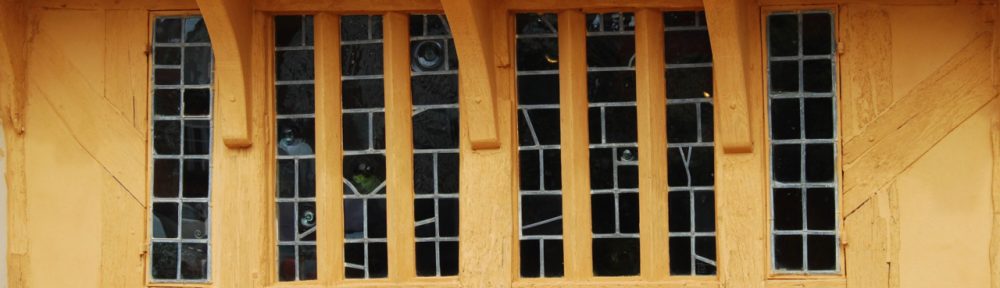

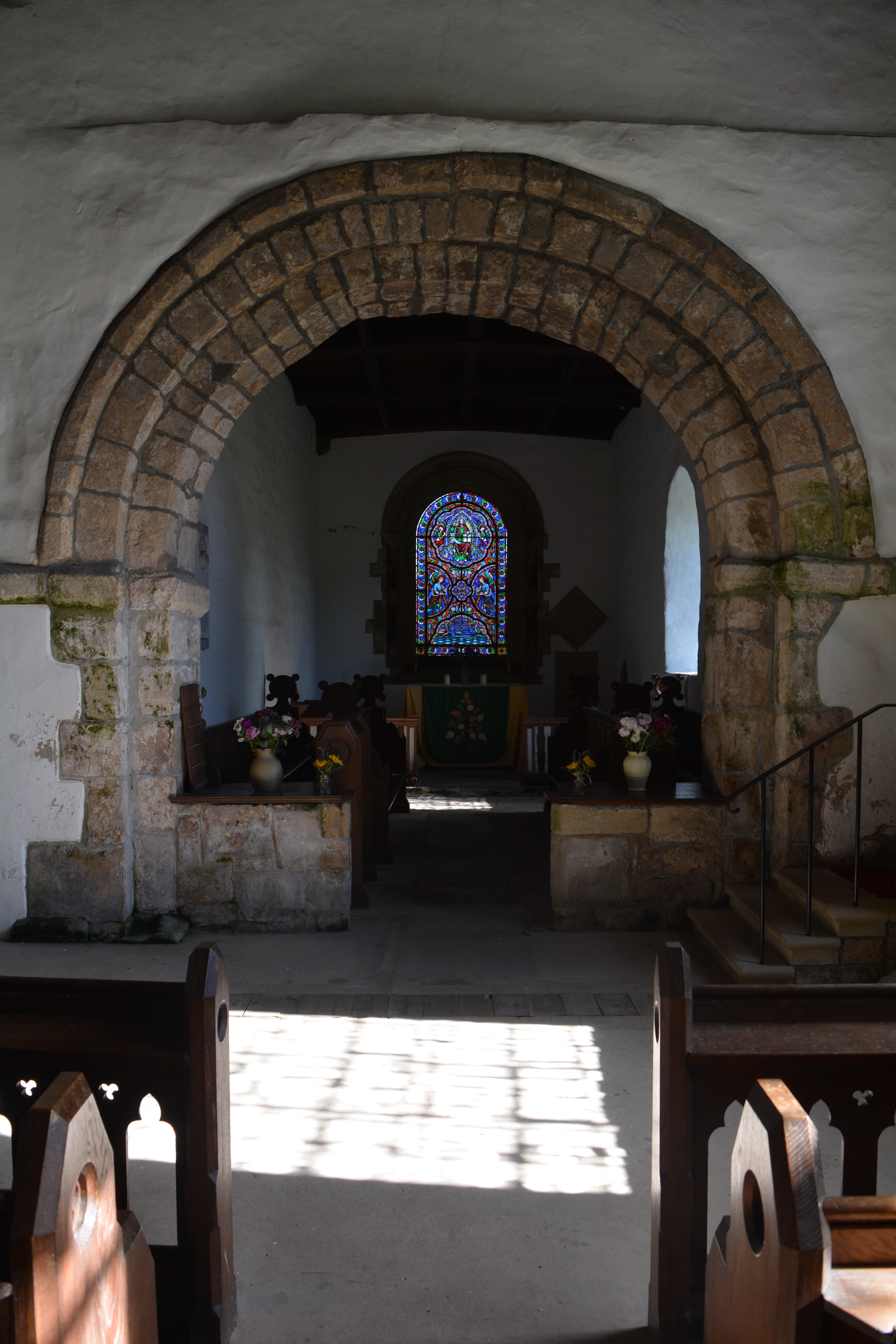
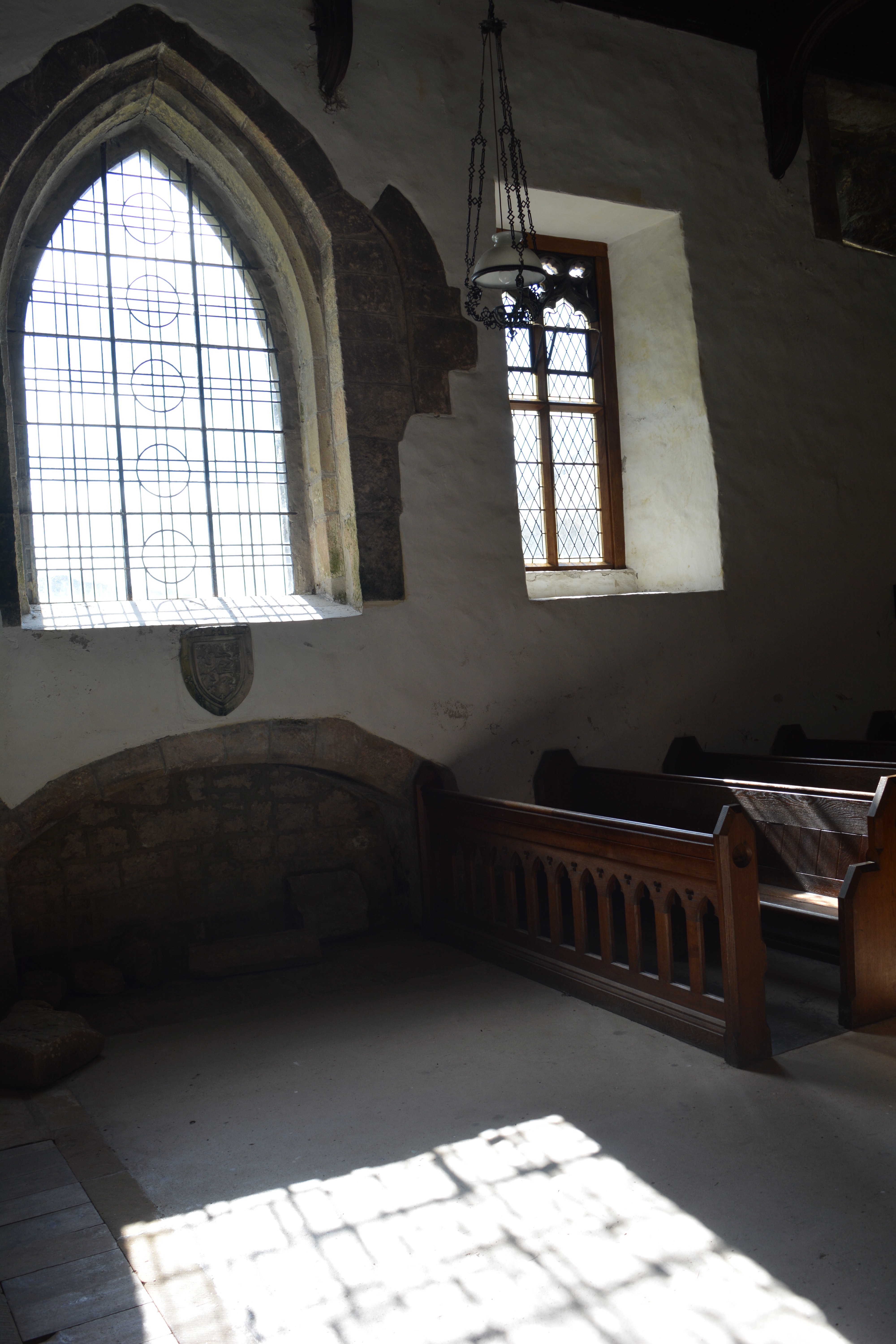
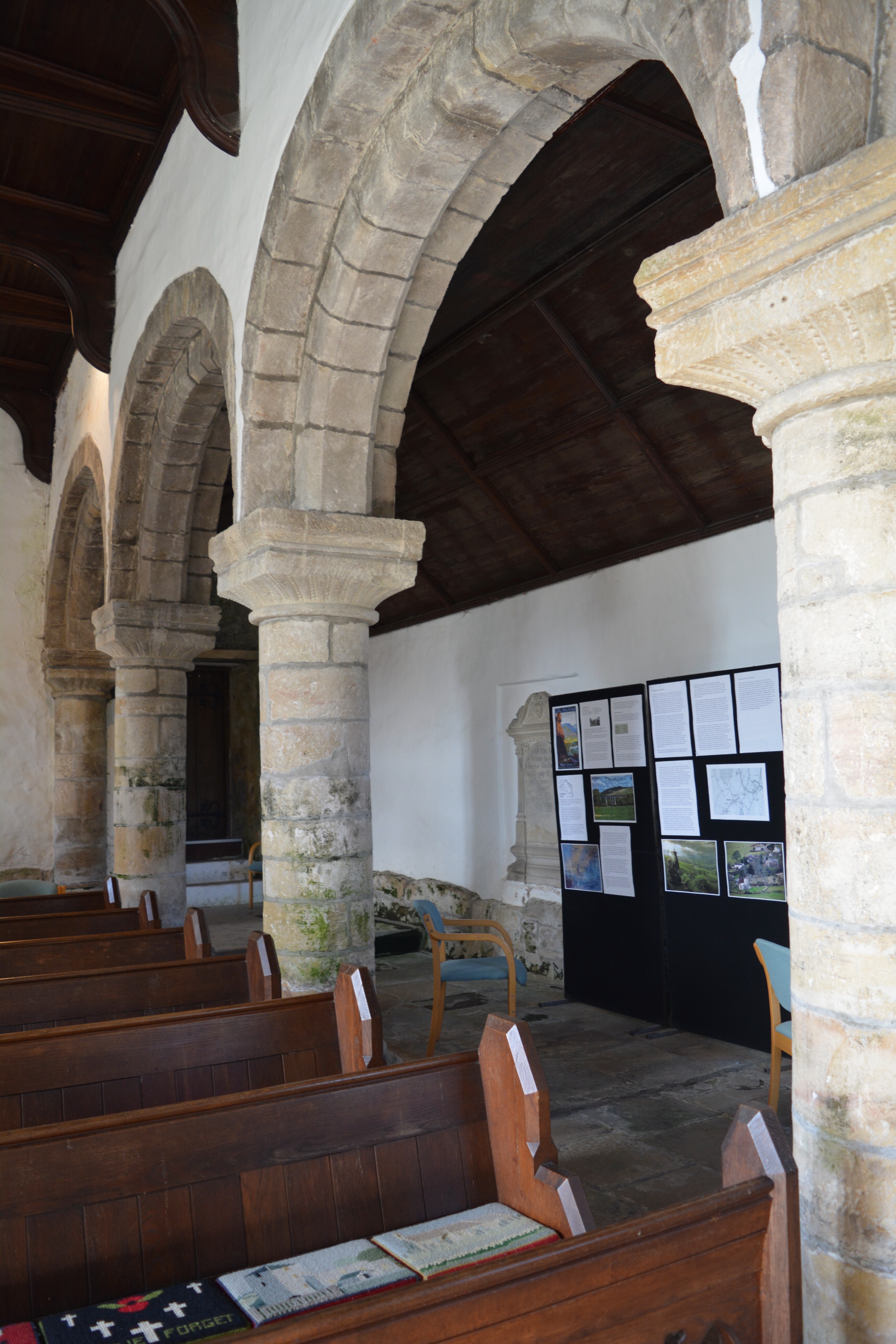
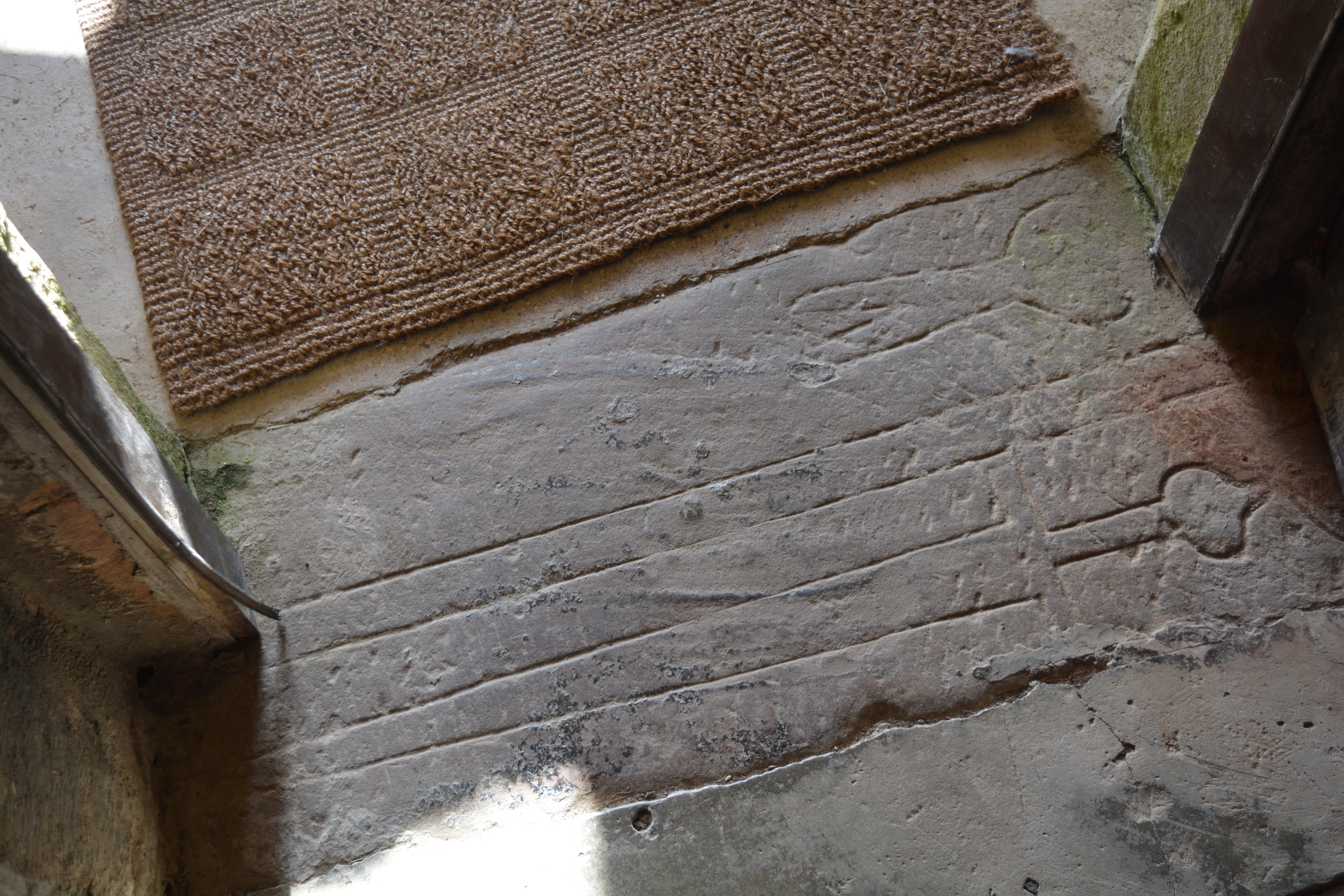
The church in the little hamlet of Edlingham dates from the 11th and 12th centuries. It stands on the site of a Saxon building dating to 740 AD or there about. The first stone building was erected in about 1050 – when Edward the Confessor was on the throne. The village had originally been given to St Cuthbert by King Coelwulf of Northumbria. The latter abdicated and became a monk on Lindisfarne in 737. He gifted St Cuthbert four villages of which Edlingham was one. Warkworth, Eglingham and Whittingham composed the other three. Little wonder that the Venerable Bede was something of a fan.
The rather impressive tower at Edlingham was a later addition and given its location on the Scottish border it is perhaps not surprising that it had a defensive role like many other church towers along the border. It is also thought that the church was used to imprison moss troopers during the middle of the seventeenth century – men who returned to a reviving lifestyle at the end of the Wars of the Three Kingdoms.
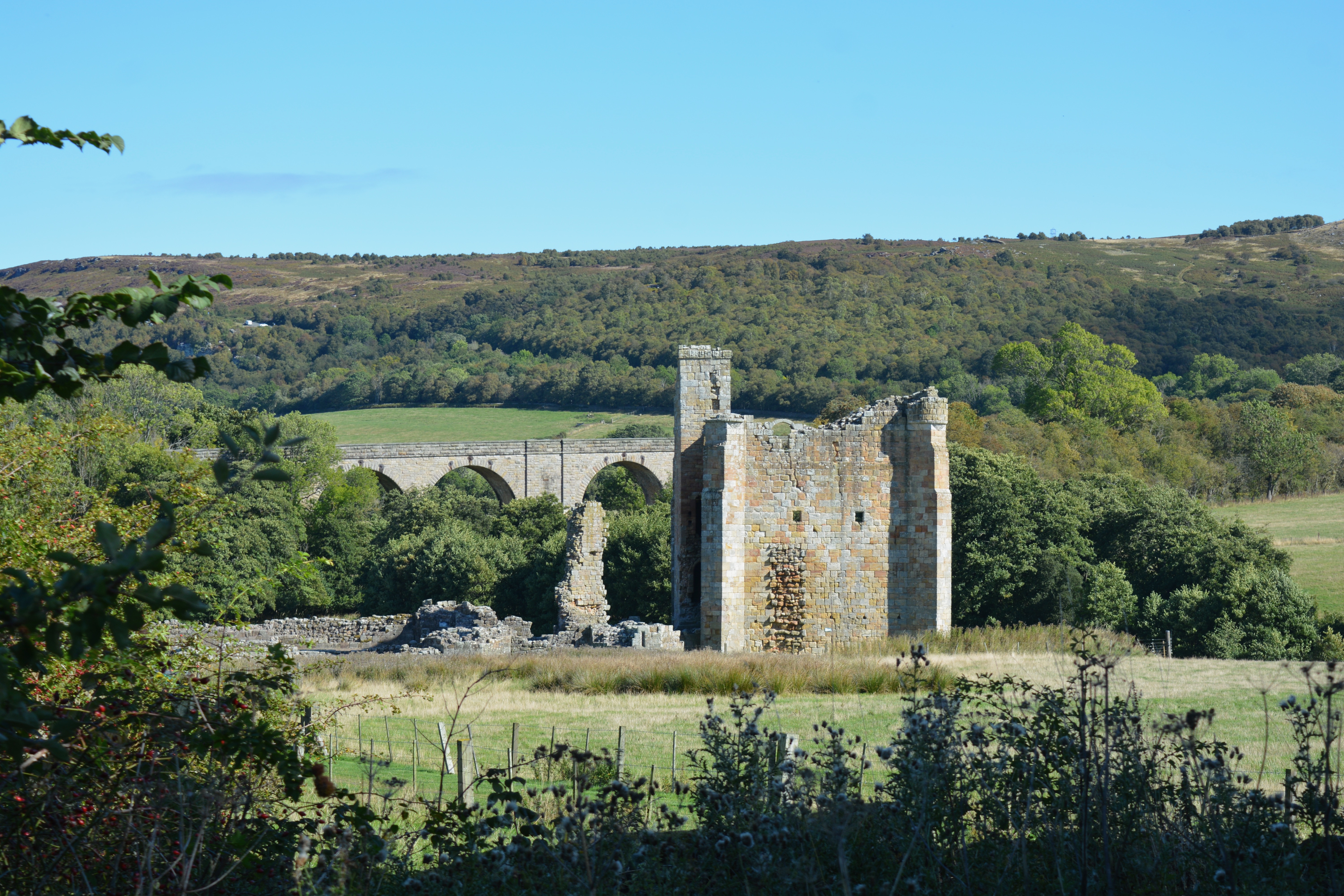
The nearby castle was started by Sir William de Felton at the end of the thirteenth century, who is buried in the church. The castle was built in place a Manor House built by John of Edlingham during the 12th century. The Felton family are associated with both Norfolk and Shropshire. During the fourteenth century William’s son, also named William, continued the building work and his grandson – yes that’s another William, would fight alongside the Black Prince.
Meanwhile the Edlingham Railway Viaduct beyond the castle dates from 1885. Inevitably I was more interested in the Roman road running to the west of the village. It turns out it’s known as the Devil’s Causeway. Apparently it’s very obvious straightness caused a degree of consternation in later times, hence the name – unexplained, straight across empty moors – I’m sure you get the gist.